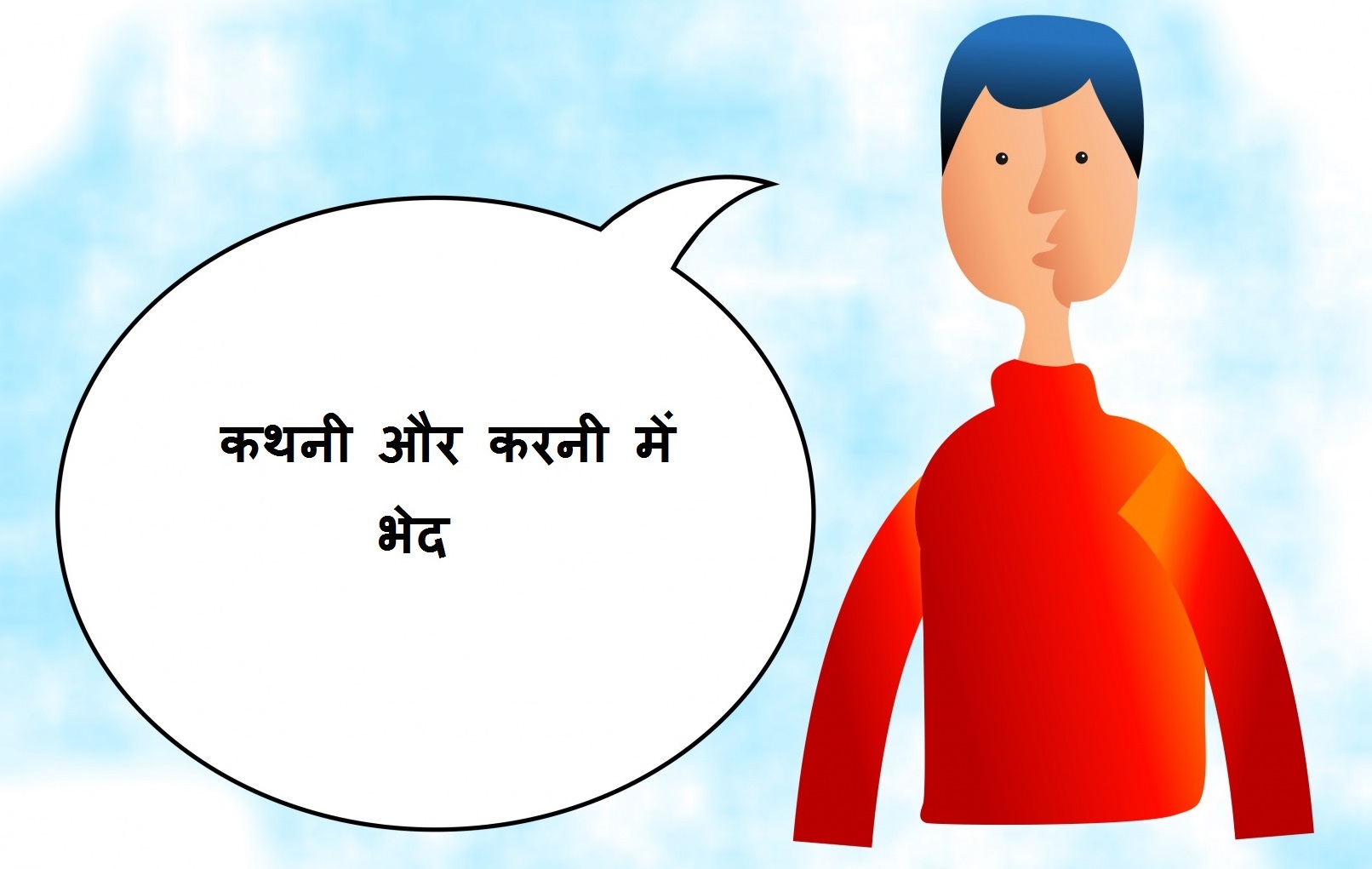
इन तीनो केसों में जनता ने इन नेताओं को रिजेक्ट कर दिया. इनकी नेतागिरी बंद. पते की बात यह है की इन देशों की जनता अब कथनी और करनी के भेद को गंभीरता से देखने लगी है. इन देशों में अब ज्यादातर लोग कहो कुछ और करो कुछ और से तंग आ चुके हैं. पर हमारे देश में? हमारे देश में तो कथनी और करनी में सभी का भेद ही चलता रहता है. स्कूल का मास्टर कहता है ईमानदारी से पढो और खुद पढ़ाने नहीं आता. घर में बाप मेहनत से पढाई करने के लिए चिल्लाता है और घर पर स्वयं लेटा रहता है, कोई घर का काम नहीं करता. नेता लोग चिल्ला-चिल्ला कर देश सुधारने की अपील करते हैं; सफाई रखो, भगवान को याद रखो और करो (टेक्स)  की चोरी न करो – यह समझाते हैं. उनके अपने लोग चोरी करते हैं, गन्दगी फैलाते है और भगवान के नाम पर आम जनता को लूटते रहते हैं. हमारे देश के लोग कथनी और करनी के इस भेद को अनदेखी क्यों करते हैं? हम क्यों ऐसे लोगों की बात सुनते हैं, उन्हें मानते हैं? राजेश टंडन

You may be interested to read

Kush Rastogi

This reflection on the Reimagining Civil Society podcast episode, “Learning for Self-Care: Preventive Health,” highlights the vital role of civil society organizations in advancing community-led health initiatives. Featuring insights from Dr. Rajesh Tandon, it emphasizes preventive healthcare, local knowledge, and grassroots action as essential pathways toward healthier, more resilient communities.

Rabi Raj

This reflective blog explores the changing realities of the Korwa, a Particularly Vulnerable Tribal Group (PVTG) in Garhwa, Jharkhand. Through conversations with community members, it examines the intersection of development, education, traditional knowledge, and cultural identity, highlighting the need to value Indigenous knowledge systems alongside modern development pathways.

Yedukrishnan V.

This blog explores mobility challenges faced by women in Vypin, Kochi, highlighting how infrastructure alone does not ensure equitable access. It underscores the need to integrate participatory approaches with implementation for inclusive and meaningful development outcomes.