“We are taught not to interfere with others; दूसरों के पचड़े में न पड़े. But this is not right; अन्याय के खिलाफ चुप नहीं रह सकते; we have duties and responsibilities towards society” – youth voice from Jaipur
“बोल के लब आज़ाद हैं तेरे…Engage, speak, join…we are the future” – youth voice from Delhi
“Why do elders impose clothes, food, career on us? हमारी सोंच नहीं है क्या? Why are we girls made to feel weak? हम खुद बोल सकते हैं. Respect us” – youth voice from Ajmer
“Democracy is… freedom to participate; एक सकारात्मक नजरिया जरूरी है” – youth voice from Raipur
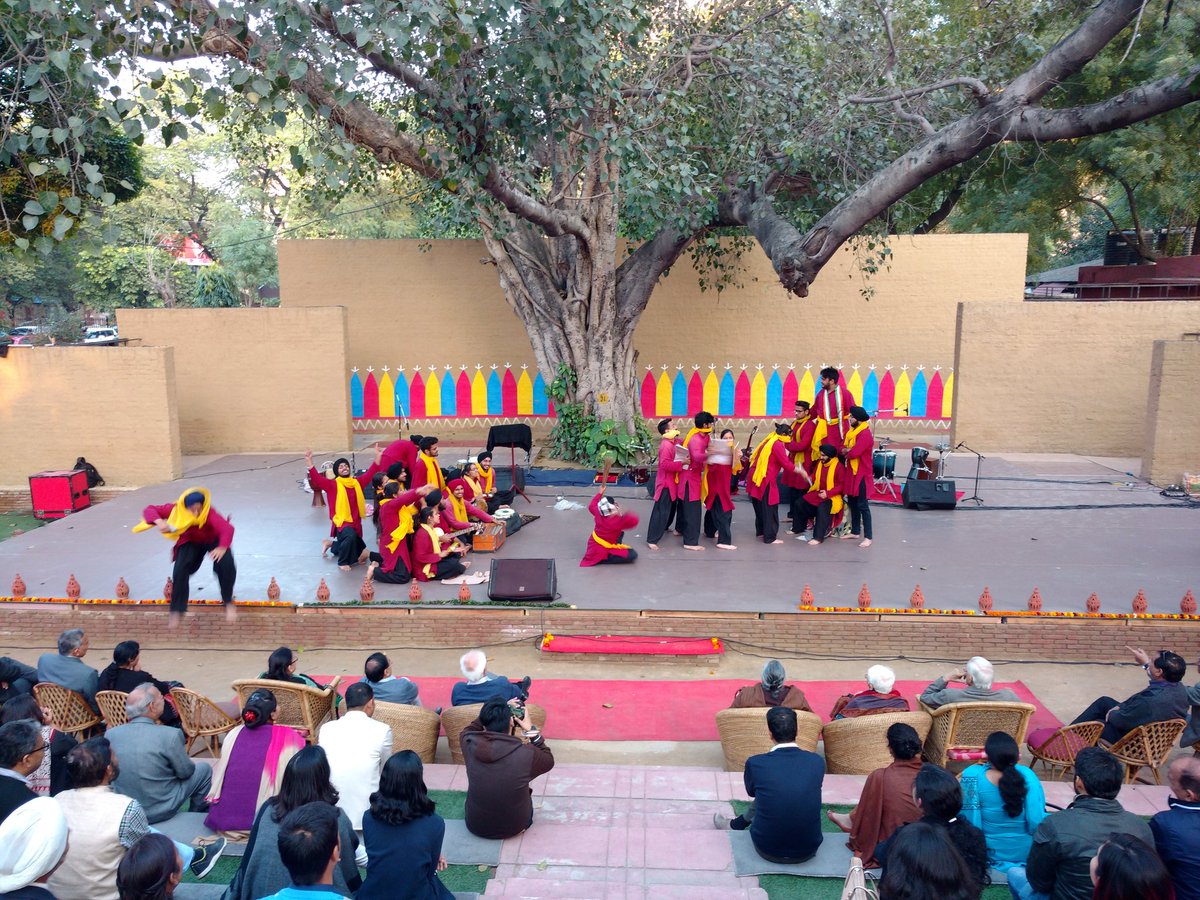
Over the past two weeks, in a dozen locations around the country, youth had some conversations about #democracyineverydaylife as part of PRIA’s youth-n-democracy campaign. These conversations were carried out through street theatre, puppetry, walkathons, sports, dance and music.
In essence, these conversations suggest that freedoms – to be…speak…express…engage…participate… – is the essence of #democracyineverydaylife for the youth of India. “Freedom to choose” – this is the democratic expression youth want in everyday life.
Freedom to choose dress…food…music…studies…career…life-partners…
The opportunity to make such choices without pressure to conform, look, speak and act like others.
In today’s context, such freedom — आजादी — is being questioned as divisive, separating, individualistic, hedonistic. There is an assumption that freedom for some may infringe upon freedoms of others; choices by some may close options for others.
Yet, the voices of youth we heard do not take this for granted; for them, being responsible towards others is very much a part of their exercising freedoms.
It is this responsibility of freedom, not free from responsibility, which needs to become the scaffolding of #democracyineverydaylife. Do our institutions reinforce freedom-n-responsibility? Do our schools, colleges, workplaces, political parties, NGOs encourage such practices? Do we have a culture that inspires us to exercise freedom responsibly?
.png)
.png)