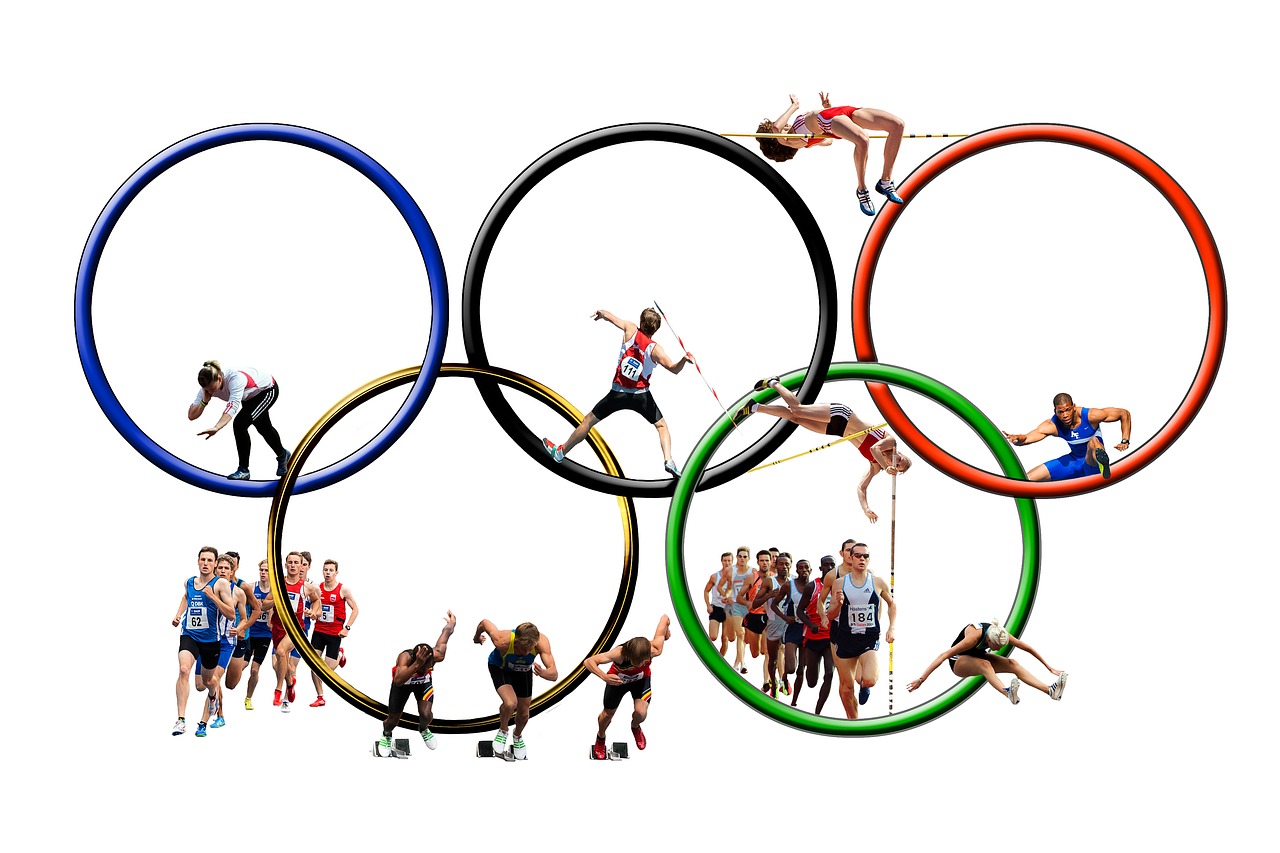
Indian Olympians have been performing poorly in the the Rio Olympics and the same state is repeated every four years.
As we watched the fantastic performances of sportsmen and women in Rio Olympics every day this past week, we became acutely aware of the widespread ‘sickness’ in the Indian Olympic team. Once again, our sportsmen and women are performing poorly, many not even qualifying to reach standards being shown by countries small and big from around the world. As I write this column, not a single medal has been won by any Indian so far, and none seem to be in sight either.
Every four years, similar state of affairs is repeated in Olympics. Our athletes and sports- persons do not perform to win in any international competitions. An exception has been cricket; we do win international competitions.
And now, Supreme Court has administered last month the 'Lodha injection' to the Board for Control of Cricket in India (BCCI), the association managing the affairs of cricket in the country. Lodha Committee appointed by the Supreme Court has made a series of recommendations to make management and governance of cricket more professional, transparent and accountable. Its recommendations would remove rampant conflicts-of- interests, widespread political and family control of leadership of cricket associations, and corruption. Under the watchful eye of the Supreme Court, Lodha Committee is now empowered to oversee implementation of those recommendations for ‘renewal’ of BCCI.
What ails BCCI is similar to the 'sickness' of Indian Olympic Association, and all other sports federations. They have been captured by some politicians and bureaucrats, they lack transparency and democratic accountability, and they do not place talent development and support to athletes at the core of their functioning.
So, instead of moaning and groaning about the poor performance of Indian sportsmen and women in next Olympics too, let us give the 'Lodha injection' to all other sports federations. Perhaps a request to Supreme Court may be in order?
Since the political class and officialdom have deep vested interests in the way these federations currently function, some ‘external’ push (like from Supreme Court) may be the only way out?

.png)
.png)