Author: Yashvi Sharma

 “जेंडर समानता का अर्थ है - महिला और पुरुष के बीच समानता और समान अधिकार”, पर जब समानता दोनों के बीच लानी है तो केवल महिलाओं और लड़िकयों के साथ ही इसके बारे में बात क्यों करी जाती है? इसी सोच के साथ कदम बढ़ाते चलो ने लड़को और लड़कियों के साथ एक साथ काम करना शुरु किया, जहाँ दोनों को मिलकर जेंडर समानता और महिला हिंसा के लिए काम करना होता है I लड़का और लड़की होने के नाते समाज में दोनों की अलग-अलग भूमिकाएँ बनी हुए है, जहाँ एक तरफ लड़िकयों को घर और बच्चो की जिम्मेदारी दी जाती है तो दूसरी तरफ लड़के को घर में पैसा कमाने वाला माना जाता है I समस्याएँ तो तब आती है जब ये समाज द्वारा बनाई जिम्मेदारियों के विरुध जाने की सोचते है I
ऐसा कुछ मुझे भी महसूस होता है जब मैं युवाओं के साथ मीटिंग करती हूँ I जेंडर ट्रेनिंग के एक भाग में हम लड़के और लड़कियों के अलग ग्रुप्स बनाकर उनसे उन कठनाइयों के बारे में जानने की कोशिश करते है जो उन्हें लड़का और लड़की होने के नाते होती है I एक्टिविटी के अंत में दोनों ग्रुप एक दुसरे को अपनी समस्यओं के बारे में बताते है, दोनों की ही समस्याएँ दिलचस्प होती है I
लड़कियों की समस्याएँ आमतौर पर घर में भेद-भाव, छोटी उम्र में शादी, पढाई छुडवा देना और सुरक्षा से जुडी हुई होती है, पर आश्चर्य तो लड़को की समस्याएँ सुनकर होता है I बहुत लड़को ने बताया की उन पर बचपन से ही मर्द बनने का दबाव डाला जाता है I समाज के हिसाब से एक अच्छा मर्द वो है जो घर की महिलाओं की रक्षा करता है, अच्छा कमाता है, शारीरिक और भावनात्मक रूप से मजबूत होता है I मर्द बनने का दबाव कई बार बहुत बड जाता है जब उन्हें कहा जाता है की अच्छा पढ़ोगे और कमाओगे नहीं तो अच्छी लड़की नहीं मिलेगी I अगर लड़का अपनी माँ, बहन और पत्नी की घर के कामो में मद्द करे तो उसे जोरू का गुलाम और कमजोर समझा जाता है I लड़को की यह भी शिकायत थी की क्यों सिर्फ उन पर ही पढाई का दबाव डाला जाता है लड़कियों पर नहीं, और जब वे पढ़-लिख
“जेंडर समानता का अर्थ है - महिला और पुरुष के बीच समानता और समान अधिकार”, पर जब समानता दोनों के बीच लानी है तो केवल महिलाओं और लड़िकयों के साथ ही इसके बारे में बात क्यों करी जाती है? इसी सोच के साथ कदम बढ़ाते चलो ने लड़को और लड़कियों के साथ एक साथ काम करना शुरु किया, जहाँ दोनों को मिलकर जेंडर समानता और महिला हिंसा के लिए काम करना होता है I लड़का और लड़की होने के नाते समाज में दोनों की अलग-अलग भूमिकाएँ बनी हुए है, जहाँ एक तरफ लड़िकयों को घर और बच्चो की जिम्मेदारी दी जाती है तो दूसरी तरफ लड़के को घर में पैसा कमाने वाला माना जाता है I समस्याएँ तो तब आती है जब ये समाज द्वारा बनाई जिम्मेदारियों के विरुध जाने की सोचते है I
ऐसा कुछ मुझे भी महसूस होता है जब मैं युवाओं के साथ मीटिंग करती हूँ I जेंडर ट्रेनिंग के एक भाग में हम लड़के और लड़कियों के अलग ग्रुप्स बनाकर उनसे उन कठनाइयों के बारे में जानने की कोशिश करते है जो उन्हें लड़का और लड़की होने के नाते होती है I एक्टिविटी के अंत में दोनों ग्रुप एक दुसरे को अपनी समस्यओं के बारे में बताते है, दोनों की ही समस्याएँ दिलचस्प होती है I
लड़कियों की समस्याएँ आमतौर पर घर में भेद-भाव, छोटी उम्र में शादी, पढाई छुडवा देना और सुरक्षा से जुडी हुई होती है, पर आश्चर्य तो लड़को की समस्याएँ सुनकर होता है I बहुत लड़को ने बताया की उन पर बचपन से ही मर्द बनने का दबाव डाला जाता है I समाज के हिसाब से एक अच्छा मर्द वो है जो घर की महिलाओं की रक्षा करता है, अच्छा कमाता है, शारीरिक और भावनात्मक रूप से मजबूत होता है I मर्द बनने का दबाव कई बार बहुत बड जाता है जब उन्हें कहा जाता है की अच्छा पढ़ोगे और कमाओगे नहीं तो अच्छी लड़की नहीं मिलेगी I अगर लड़का अपनी माँ, बहन और पत्नी की घर के कामो में मद्द करे तो उसे जोरू का गुलाम और कमजोर समझा जाता है I लड़को की यह भी शिकायत थी की क्यों सिर्फ उन पर ही पढाई का दबाव डाला जाता है लड़कियों पर नहीं, और जब वे पढ़-लिख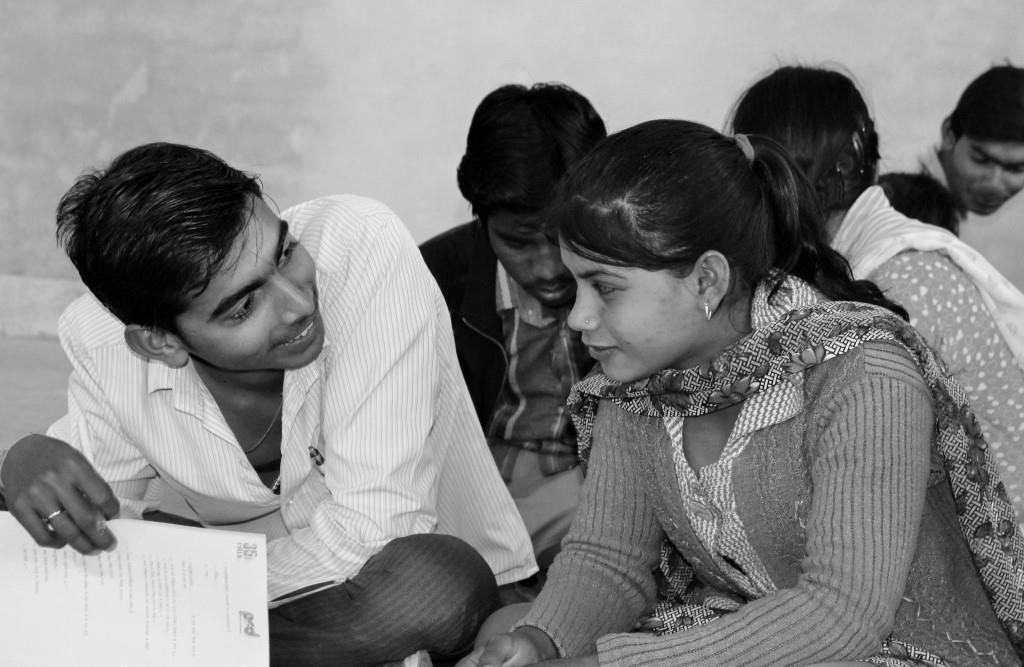 कर नौकरी करने लगते है तो उनकी शादी एक अनपढ़ या कम पढ़ी-लिखी लड़की से करवा दी जाती है I
इन चर्चाओं से यह स्पष्ट है की जेंडर असमानता से सिर्फ लड़कियाँ नहीं बल्कि लड़के भी पीड़ित है, दोनों को इसके कारण दिक्कते होती है I जब समस्या दोनों की है तो लड़ना भी दोनों को पड़ेगा ताकि समाज में उनकी पहचान लड़का और लड़की के तरह नहीं बल्कि एक इंसान के तौर पर हो I
कर नौकरी करने लगते है तो उनकी शादी एक अनपढ़ या कम पढ़ी-लिखी लड़की से करवा दी जाती है I
इन चर्चाओं से यह स्पष्ट है की जेंडर असमानता से सिर्फ लड़कियाँ नहीं बल्कि लड़के भी पीड़ित है, दोनों को इसके कारण दिक्कते होती है I जब समस्या दोनों की है तो लड़ना भी दोनों को पड़ेगा ताकि समाज में उनकी पहचान लड़का और लड़की के तरह नहीं बल्कि एक इंसान के तौर पर हो I
In this blog, Dr. Bandyopadhyay reflects on rethinking monitoring and evaluation in development practice. Drawing on his experience with participatory networks, he explores how organisations can move beyond compliance-driven reporting towards listening, collective learning, adaptation, accountability, and cultures that enable honest reflection.
This blog, by Dr. Anshuman Karol, explores why the future of higher education depends on community-engaged research, global collaboration, and knowledge democracy. It highlights how Community-Based Participatory Research enables universities and communities to co-create solutions for today's interconnected social and environmental challenges.
EpiNet: Education, Epistemic Justice and the Knowledge Commons
.png)
.png)